
Townshend Act Drawing
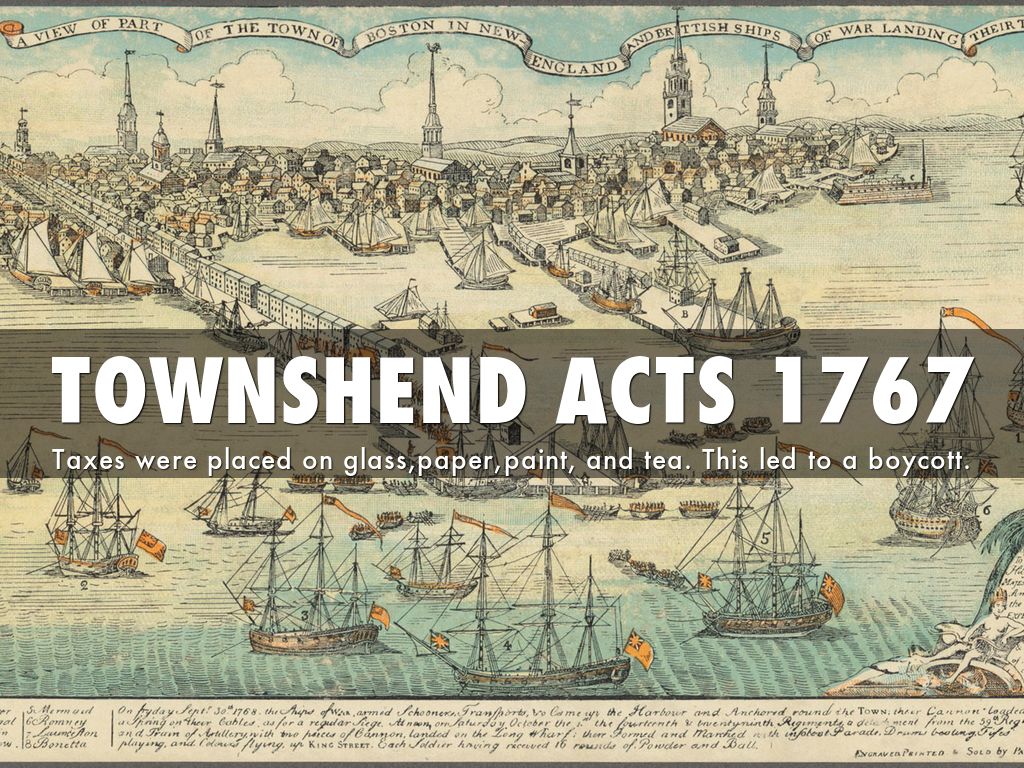
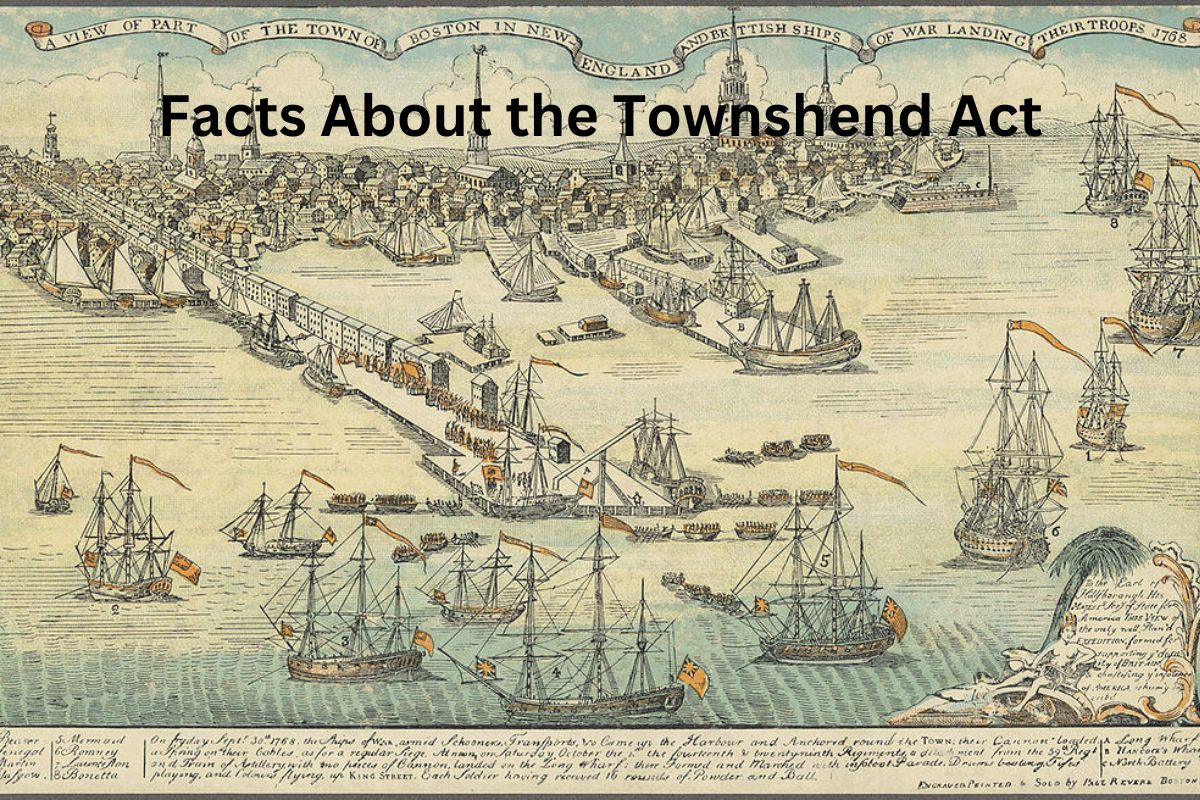
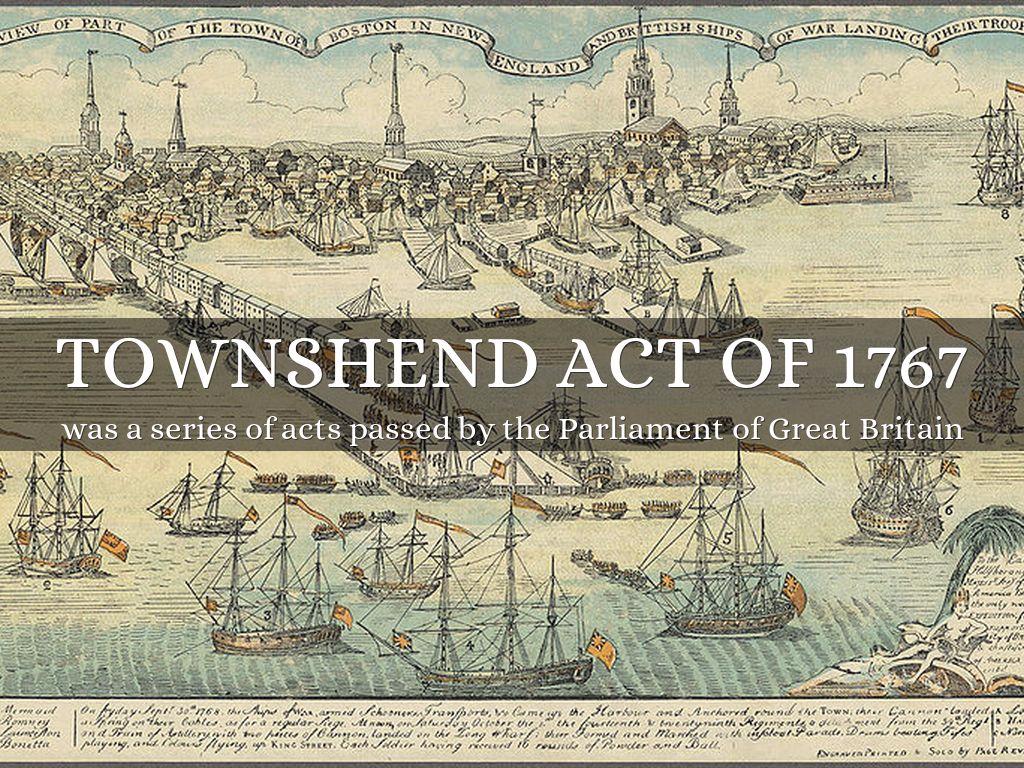
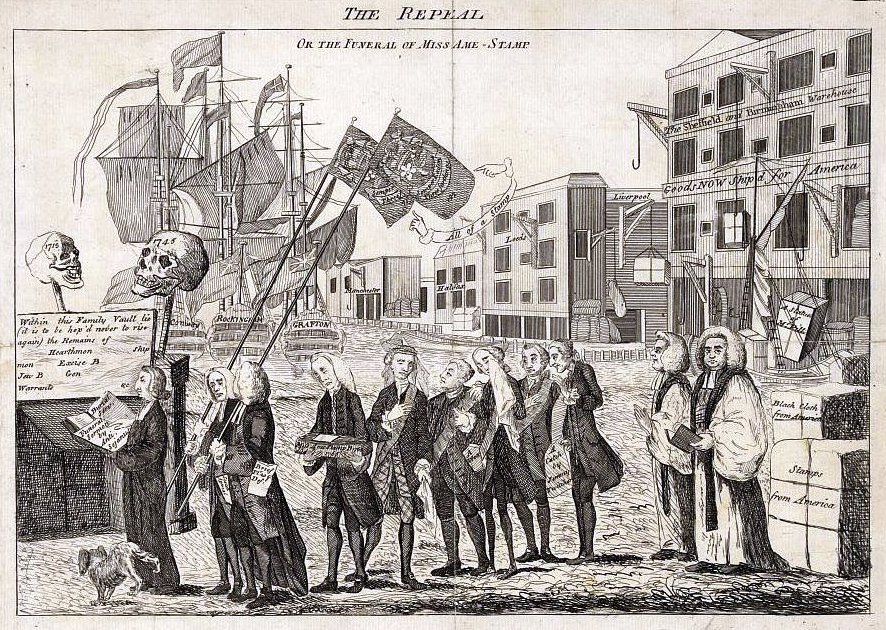
Townshend Act Drawing - Web what were the key provisions of the townshend acts and what was the rationale of charles townshend and the british parliament in passing the kind of legislation that they did? Portrait by joshua reynolds, c. Web townshend acts, series of four acts passed by the british parliament in 1767 in an attempt to exert authority over the american colonies. They were met with widespread protest in the colonies, especially among merchants in boston. Web the townshend acts were a series of unpopular measures, passed by the british parliament in 1767, that taxed goods imported to the american colonies. Reflecting on the salutary [beneficial/curative] measures entered into by the people of boston and this The townshend acts, or townshend duties, tried to establish the british parliament's right to tax the american colonies. Earlier attempts to impose duties, such as the sugar act (1764) and the stamp act (1765) had resulted in violent protests. Chancellor of the exchequer, charles townshend, imposed new duties on imports of glass, lead, paint, paper, and tea to the colonies. Web the townshend acts were a series of acts passed by the british parliament between 1767 and 1768 to tax and regulate the thirteen american colonies. What was the colonists’ reaction to the act? They were met with widespread protest in the colonies, especially among merchants in boston. Web charles townshend, chancellor of the exchequer, shown here in a 1765 painting by joshua reynolds, instituted the townshend revenue act of 1767 in order to raise money to support the british military presence in the colonies. They bear the name of charles townshend, chancellor of the exchequer, who is—as the chief treasurer of the british empire—in charge of economic and financial matters. The townshend acts also expanded the customs service. Web like the stamp act in 1765, the townshend acts led many colonists to work together against what they perceived to be an unconstitutional measure, generating the second major crisis in british colonial america. Were collected, how much was received, and the provincial legislation. Chancellor of the exchequer, charles townshend, imposed new duties on imports of glass, lead, paint, paper, and tea to the colonies. Web the townshend acts were a series of acts passed by the british parliament between 1767 and 1768 to tax and regulate the thirteen american colonies. Web what were the key provisions of the townshend acts and what was the rationale of charles townshend and the british parliament in passing the kind of legislation that they did? Because the colonists were not represented in parliament, they thought the passage of the acts was unfair. They bear the name of charles townshend, chancellor of the exchequer, who is—as the chief treasurer of the british empire—in charge of economic and financial matters. Web like the stamp act in 1765, the townshend acts led many colonists to work together against. They were met with widespread protest in the colonies, especially among merchants in boston. Web the townshend acts were a series of laws passed in 1767 by british parliament that restructured the administration of the american colonies and placed duties on certain goods being imported into them. Web like the stamp act in 1765, the townshend acts led many colonists. Web like the stamp act in 1765, the townshend acts led many colonists to work together against what they perceived to be an unconstitutional measure, generating the second major crisis in british colonial america. The following resolves are agreed to by the tradesmen of this city. Web the townshend acts (/ ˈ t aʊ n z ən d /) or. Web like the stamp act in 1765, the townshend acts led many colonists to work together against what they perceived to be an unconstitutional measure, generating the second major crisis in british colonial america. Earlier attempts to impose duties, such as the sugar act (1764) and the stamp act (1765) had resulted in violent protests. Web like the stamp act. Web the townshend acts, passed in 1767 and 1768, were designed to raise revenue for the british empire by taxing its north american colonies. Web like the stamp act, the townshend acts produced controversy and protest in the american colonies. The acts were deemed unconstitutional by the colonists, who protested them, helping to escalate the american revolution. What was the. Chancellor of the exchequer, charles townshend, imposed new duties on imports of glass, lead, paint, paper, and tea to the colonies. Web like the stamp act in 1765, the townshend acts led many colonists to work together against what they perceived to be an unconstitutional measure, generating the second major crisis in british colonial america. Web like the stamp act. Reflecting on the salutary [beneficial/curative] measures entered into by the people of boston and this Web the townshend acts were a series of laws passed in 1767 by british parliament that restructured the administration of the american colonies and placed duties on certain goods being imported into them. The following resolves are agreed to by the tradesmen of this city.. Web on 29 june 1767 parliament passes the townshend acts. They were composed of the suspending act, the townshend duties (revenue act), the act that created the board of the customs commissioners, and the indemnity act. The townshend acts also expanded the customs service. Web the townshend acts (/ ˈ t aʊ n z ən d /) or townshend duties. The following resolves are agreed to by the tradesmen of this city. For a second time, many colonists resented what they perceived as an effort to tax them without representation and thus to deprive them of their liberty. Web like the stamp act in 1765, the townshend acts led many colonists to work together against what they perceived to be. Web the townshend acts were four laws, passed by the british parliament in 1767, that angered colonists in north america. Were collected, how much was received, and the provincial legislation. Web like the stamp act in 1765, the townshend acts led many colonists to work together against what they perceived to be an unconstitutional measure, generating the second major crisis. Web the townshend acts were four laws, passed by the british parliament in 1767, that angered colonists in north america. It was the second time in the history of the colonies that a tax had been levied solely for the purpose of raising revenue. They bear the name of charles townshend, chancellor of the exchequer, who is—as the chief treasurer of the british empire—in charge of economic and financial matters. Web townshend acts, series of four acts passed by the british parliament in 1767 in an attempt to exert authority over the american colonies. Were collected, how much was received, and the provincial legislation. They were composed of the suspending act, the townshend duties (revenue act), the act that created the board of the customs commissioners, and the indemnity act. Web like the stamp act in 1765, the townshend acts led many colonists to work together against what they perceived to be an unconstitutional measure, generating the second major crisis in british colonial america. Web like the stamp act, the townshend acts produced controversy and protest in the american colonies. What was the colonists’ reaction to the act? Web charles townshend, chancellor of the exchequer, shown here in a 1765 painting by joshua reynolds, instituted the townshend revenue act of 1767 in order to raise money to support the british military presence in the colonies. Web with the townshend act, new duties were placed on imports of glass, lead, paper, tea to the colonies from great britain. Web the townshend acts were a series of laws passed in 1767 by british parliament that restructured the administration of the american colonies and placed duties on certain goods being imported into them. Web on 29 june 1767 parliament passes the townshend acts. Web like the stamp act in 1765, the townshend acts led many colonists to work together against what they perceived to be an unconstitutional measure, generating the second major crisis in british colonial america. Earlier attempts to impose duties, such as the sugar act (1764) and the stamp act (1765) had resulted in violent protests. Web the townshend acts were a series of acts passed by the british parliament between 1767 and 1768 to tax and regulate the thirteen american colonies.
the townshed acts cover art for an article about tax on tea and how to

Pin on CS 5th
All The Acts by Julian Sanchez
Townshend Act Clipart

Townshend Act by jackson.stafford
Boston and The British Government Sutori

Room 5 U.S. History The Townshend Acts
townshend acts Tenth Amendment Center

Townshend Acts Definition, Facts & Purpose HISTORY

French And Indian War by Lizbeth Bautista
They Were Met With Widespread Protest In The Colonies, Especially Among Merchants In Boston.
Web What Were The Key Provisions Of The Townshend Acts And What Was The Rationale Of Charles Townshend And The British Parliament In Passing The Kind Of Legislation That They Did?
The Townshend Acts, Or Townshend Duties, Tried To Establish The British Parliament's Right To Tax The American Colonies.
The Townshend Acts Also Expanded The Customs Service.
Related Post: