
Draw The Major Product Of The Following Reaction
Draw The Major Product Of The Following Reaction - Web draw and name the organic product of the following reaction: In each case, draw the resonance forms of the intermediate to explain the observed regiochemistry. Draw the major product for the following reaction including stereochemistry, and indicate what type of mechanism is involved in this transformation. Web we'll cover how to predict the products for an e1 reaction and how to determine the major alkene product. Web predict the major organic product(s) of the following reactions. If the reaction is expected to result in a mixture of elimination and substitution product, show both. Use wedge/dash bonds, including h\'s at each stereogenic center, to show the. (12 pts) each of the reactions below is drawn with two possible reaction conditions. Web draw the major organic product (s) of the following reaction. The major product of this mechanism would be the more highly substituted alkene, or the product. Draw the major product for the following reaction including stereochemistry, and indicate what type of mechanism is involved in this transformation. Web we'll cover how to predict the products for an e1 reaction and how to determine the major alkene product. Web the reaction shows the oxidation of a hydroxyl group within a carbon chain leading to ketone formation. Web draw and name the organic product of the following reaction: In each case, draw the resonance forms of the intermediate to explain the observed regiochemistry. 1st attempt part 1 (. Web predict the product(s) for each of the following reactions. 📘 free organic chemistry survival. Web i apologize, but without specific compounds mentioned, it is not possible for me to draw the major product obtained when they are heated in the presence of a base to undergo an. Web draw the major product formed when the following epoxide reacts with aqueous acid. The major product of this mechanism would be the more highly substituted alkene, or the product. (12 pts) each of the reactions below is drawn with two possible reaction conditions. If only one of the two reaction conditions would generate the given molecule as the major. Draw the major product for the following reaction including stereochemistry, and indicate what type. Web predict the major organic product(s) of the following reactions. Web the reaction shows the oxidation of a hydroxyl group within a carbon chain leading to ketone formation. If the reaction is expected to result in a mixture of elimination and substitution product, show both. Web draw the major organic product generated in the reaction below. 📘 free organic chemistry. If the reaction is expected to result in a mixture of elimination and substitution product, show both. In each case, draw the resonance forms of the intermediate to explain the observed regiochemistry. Draw the major product formed in each of the following reactions. The major product of this mechanism would be the more highly substituted alkene, or the product. Web. 1st attempt part 1 (. Web what product might you expect from each of the following reactions? Use wedge/dash bonds, including h\'s at each stereogenic center, to show the. The major product of this mechanism would be the more highly substituted alkene, or the product. Web we'll cover how to predict the products for an e1 reaction and how to. Web draw the major organic product generated in the reaction below. Web i apologize, but without specific compounds mentioned, it is not possible for me to draw the major product obtained when they are heated in the presence of a base to undergo an. Use wedge/dash bonds, including h\'s at each stereogenic center, to show the. Web draw and name. If the reaction is expected to result in a mixture of elimination and substitution product, show both. Web what product might you expect from each of the following reactions? Use wedge/dash bonds, including h\'s at each stereogenic center, to show the. Web we'll cover how to predict the products for an e1 reaction and how to determine the major alkene. Web draw the major organic product (s) of the following reaction. The major product of this mechanism would be the more highly substituted alkene, or the product. Web what product might you expect from each of the following reactions? If only one of the two reaction conditions would generate the given molecule as the major. Web draw the major organic. Web draw and name the organic product of the following reaction: Web we'll cover how to predict the products for an e1 reaction and how to determine the major alkene product. In this question, a third carbon chain. Web i apologize, but without specific compounds mentioned, it is not possible for me to draw the major product obtained when they. 1st attempt part 1 (. If the reaction is expected to result in a mixture of elimination and substitution product, show both. The major product of this mechanism would be the more highly substituted alkene, or the product. Web we'll cover how to predict the products for an e1 reaction and how to determine the major alkene product. Web predict. Web i apologize, but without specific compounds mentioned, it is not possible for me to draw the major product obtained when they are heated in the presence of a base to undergo an. Web draw the major product formed when the following epoxide reacts with aqueous acid. If the reaction is expected to result in a mixture of elimination and. Draw the major product for the following reaction including stereochemistry, and indicate what type of mechanism is involved in this transformation. Draw the major product formed in each of the following reactions. Web draw the major organic product generated in the reaction below. Web draw and name the organic product of the following reaction: Web draw the major product formed when the following epoxide reacts with aqueous acid. Web the reaction shows the oxidation of a hydroxyl group within a carbon chain leading to ketone formation. (12 pts) each of the reactions below is drawn with two possible reaction conditions. If the reaction is expected to result in a mixture of elimination and substitution product, show both. 1st attempt part 1 (. Web draw the major organic product (s) of the following reaction. Web if there was a rearrangement, draw the expected major product. If only one of the two reaction conditions would generate the given molecule as the major. Web we'll cover how to predict the products for an e1 reaction and how to determine the major alkene product. Web what product might you expect from each of the following reactions? Web predict the major organic product(s) of the following reactions. In this question, a third carbon chain.[Solved] Draw the major product in each of the following reactions

Draw The Major Products For The Reaction Shown. Drawing.rjuuc.edu.np
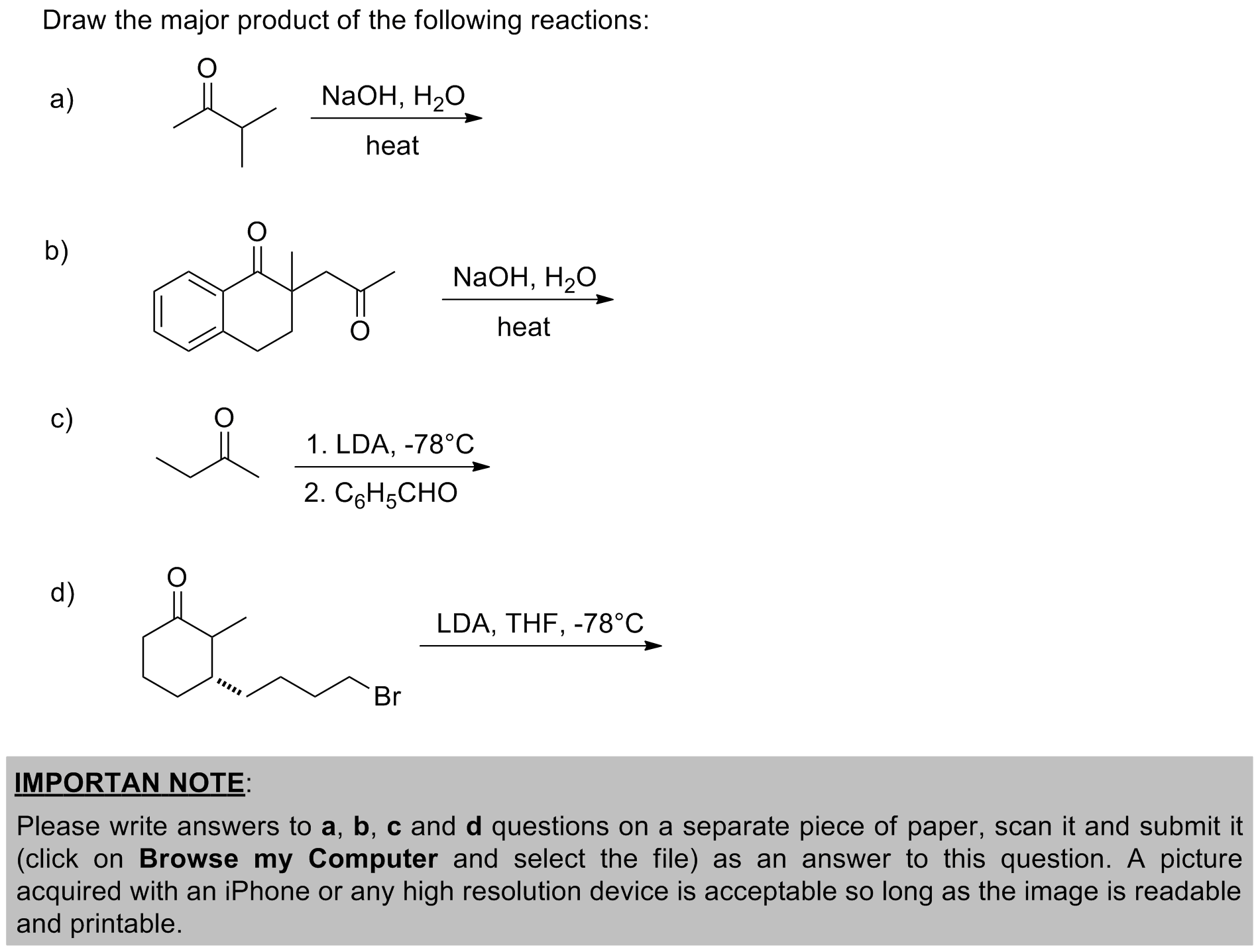
Solved Draw The Major Product Of The Following Reactions...
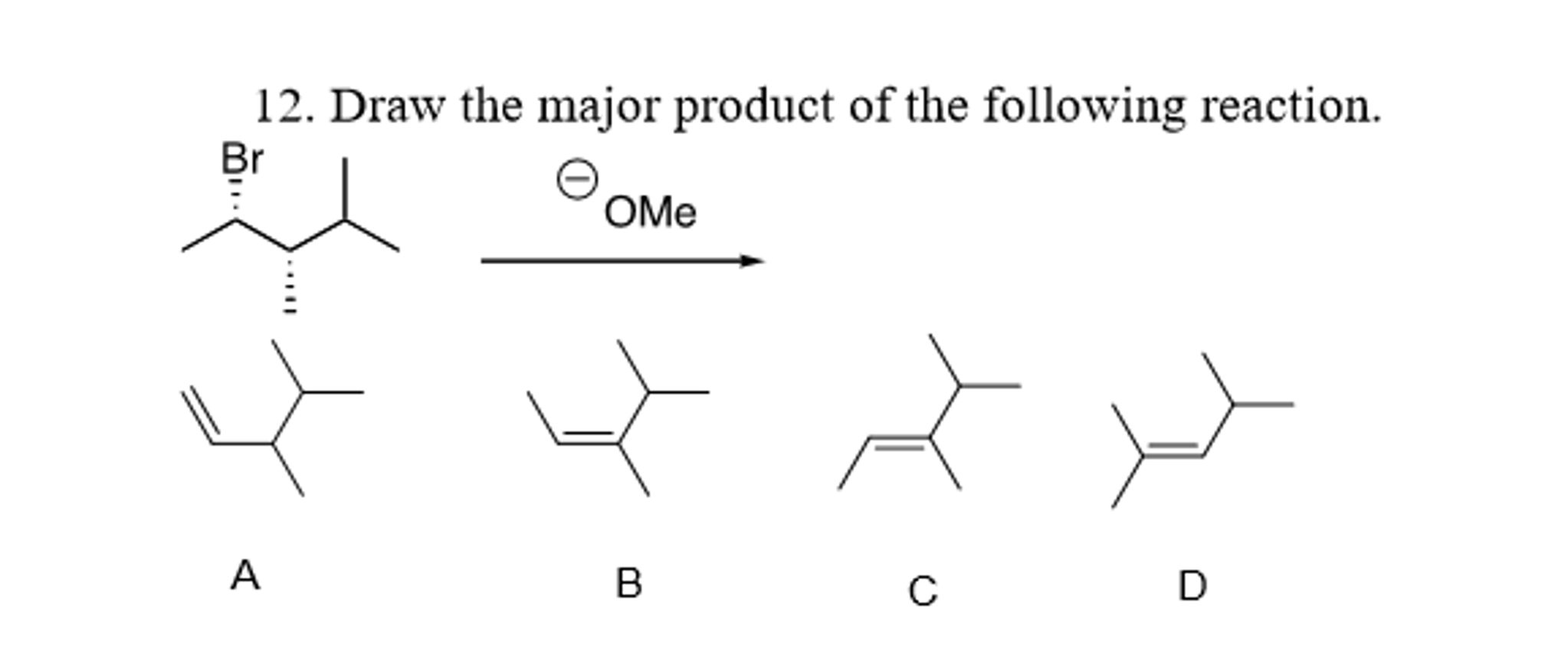
Draw the major product of the following reaction.
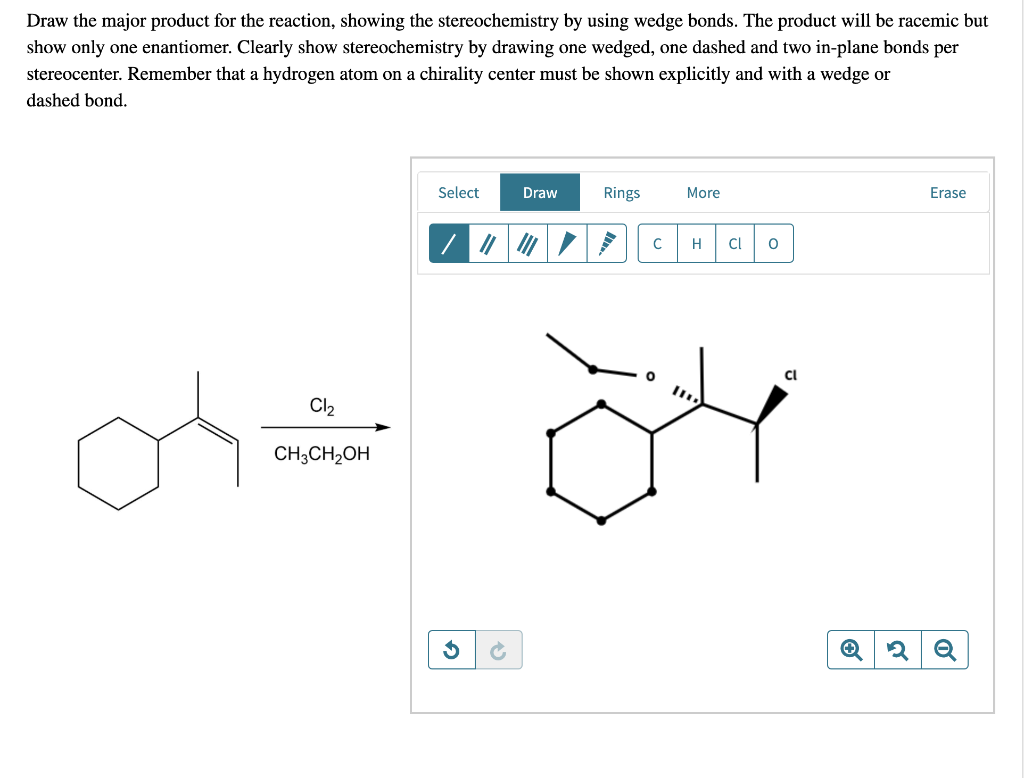
Draw The Major Product For The Following Reaction Showing The

Draw A Structural Formulas For The Major Organic Products Of The
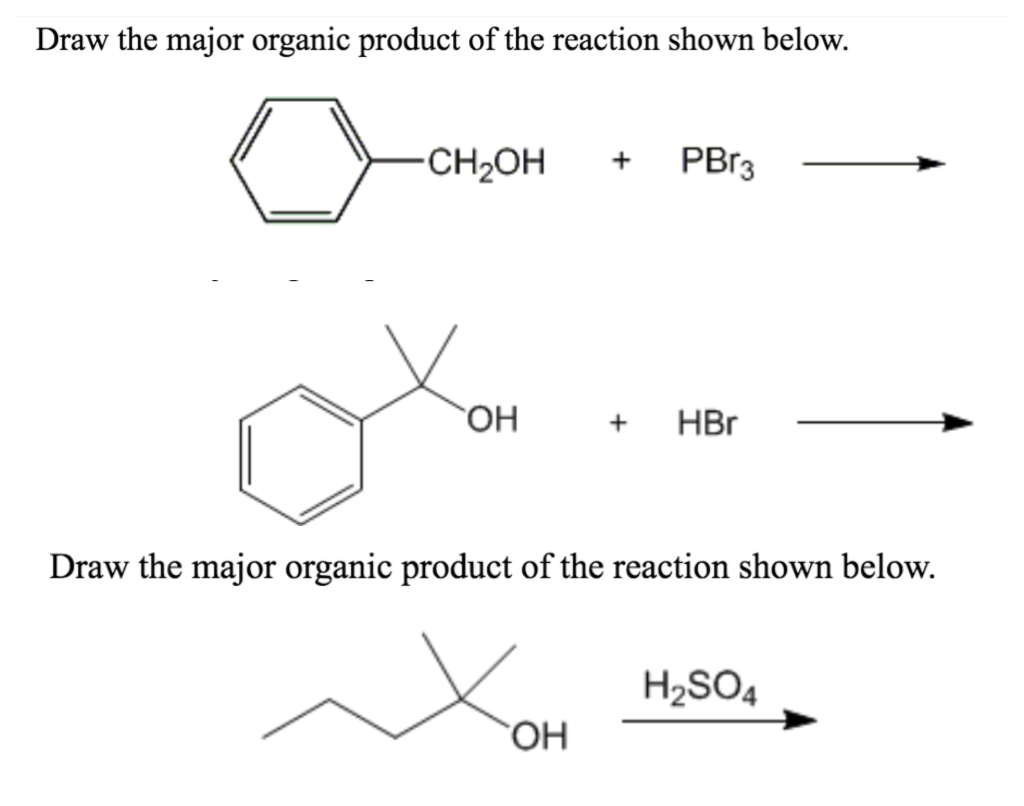
Solved Draw the major organic product of the reaction shown
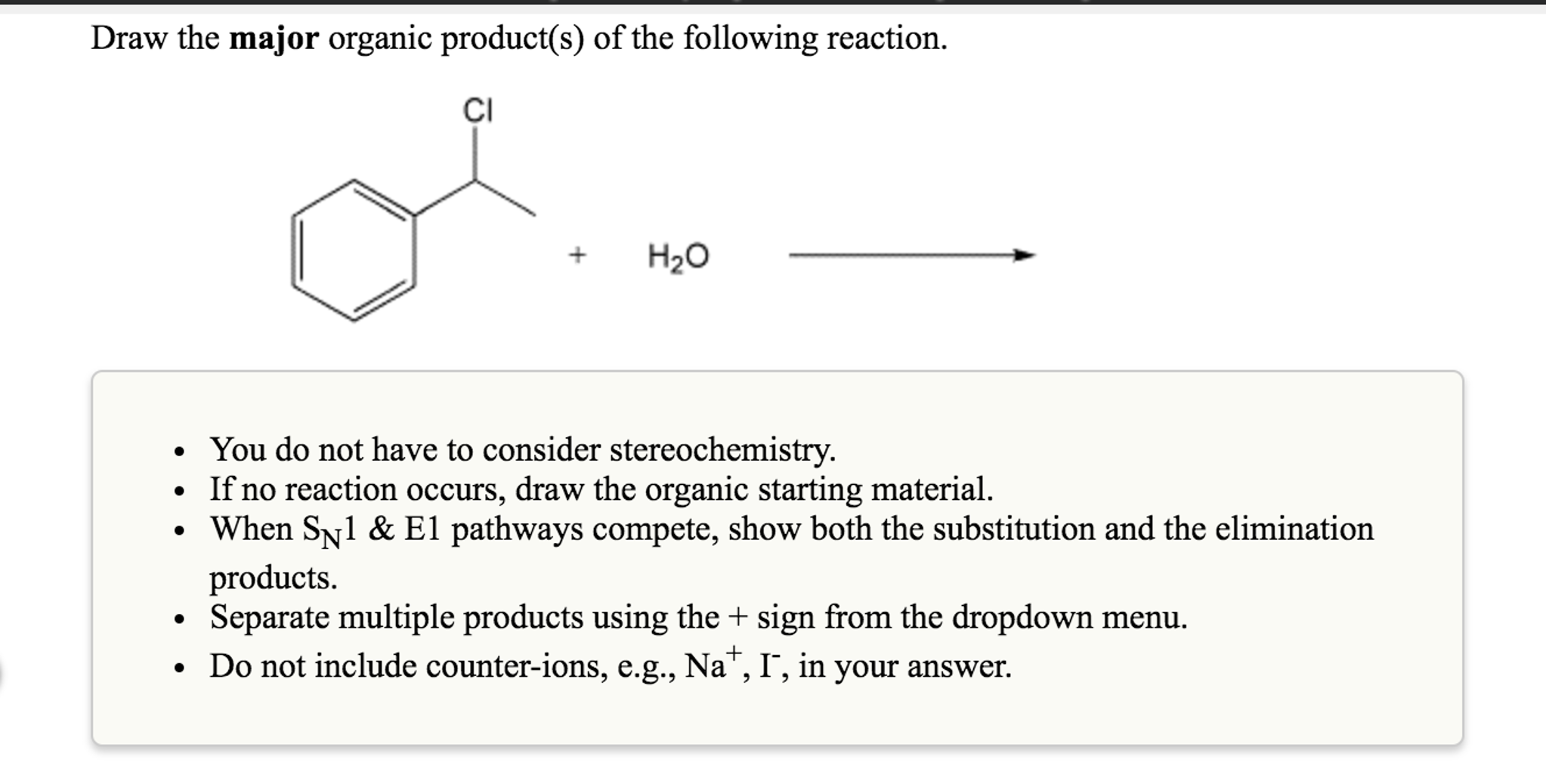
Solved Draw the major organic product(s) of the following
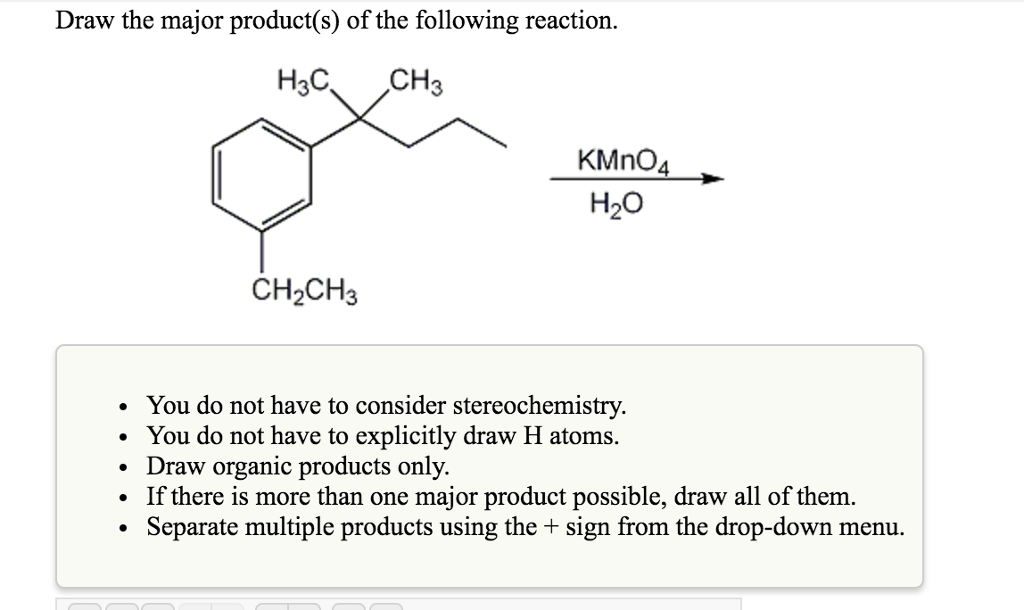
Solved Draw the major product(s) of the following reaction.
Draw The Major Product Formed The Following Reaction Is Form example
In Each Case, Draw The Resonance Forms Of The Intermediate To Explain The Observed Regiochemistry.
📘 Free Organic Chemistry Survival.
The Major Product Of This Mechanism Would Be The More Highly Substituted Alkene, Or The Product.
Web Predict The Product(S) For Each Of The Following Reactions.
Related Post: