
Blood Draw Needle Size
Blood Draw Needle Size - Web the size of the phlebotomy needle used is crucial for a successful blood draw. The higher the gauge, the smaller the hole. Web it is essential to assess each patient individually and consider these factors when selecting a phlebotomy needle size to ensure a successful and comfortable blood draw. Here are the basic steps to drawing blood: Despite the phlebotomist’s efforts to anchor the vein, the patient may be unwell or have minimal sites to choose a vein from, requiring a smaller needle. Web 23g needles, also known as butterflies, are used when a person’s vein is much narrower than average. The 21 gauge needle is the standard gauge needle for drawing blood. Butterfly needles are often used when a person is. Because a needle is left in the arm rather than a catheter or picc line for the purpose of an infusion, a butterfly needle can damage a vein if the unit is suddenly yanked. Drawing blood from a patient can be a daunting task, but it also is a necessity for nurses. The lower the gauge the wider the hole. Because a needle is left in the arm rather than a catheter or picc line for the purpose of an infusion, a butterfly needle can damage a vein if the unit is suddenly yanked. It is light blue color coded. Most adults who are healthy have plump and bouncy veins. They are sterile and sealed with a paper tab to indicate prior use or tampering. The first step is to discuss with the patient what you will be doing and why as well as gather all the needed supplies. Web the standard length used is about 3/4 inch, which makes the butterfly needle attractive for patients who has a fear of needles. Web the size of the phlebotomy needle used is crucial for a successful blood draw. The right needle size ensures that the blood can be collected quickly and efficiently without causing excess pain or discomfort to the patient. The 21 gauge vs the 23 gauge needle. Web it is essential to assess each patient individually and consider these factors when selecting a phlebotomy needle size to ensure a successful and comfortable blood draw. Small in size, or that roll. The higher the gauge, the smaller the hole. Because a needle is left in the arm rather than a catheter or picc line for the purpose of. Despite the phlebotomist’s efforts to anchor the vein, the patient may be unwell or have minimal sites to choose a vein from, requiring a smaller needle. It is light blue color coded. Web a butterfly needle is a popular choice for drawing blood, getting iv fluids, or receiving certain medications. The right needle size ensures that the blood can be. Web 23g needles, also known as butterflies, are used when a person’s vein is much narrower than average. Web proper needle selection for blood collection : The right needle size ensures that the blood can be collected quickly and efficiently without causing excess pain or discomfort to the patient. Web the standard length used is about 3/4 inch, which makes. Web how to draw blood. The right needle size ensures that the blood can be collected quickly and efficiently without causing excess pain or discomfort to the patient. The first step is to discuss with the patient what you will be doing and why as well as gather all the needed supplies. They are sterile and sealed with a paper. Blood collection needles have beveled tips and are typically available in 20, 21, and 22 gauges and 1 to 1.5 inches. Web it is essential to assess each patient individually and consider these factors when selecting a phlebotomy needle size to ensure a successful and comfortable blood draw. Small children and infants are the most common patients to be drawn.. The lower the gauge the wider the hole. Because a needle is left in the arm rather than a catheter or picc line for the purpose of an infusion, a butterfly needle can damage a vein if the unit is suddenly yanked. The 21 gauge vs the 23 gauge needle. Butterfly needles are often used when a person is. Needle. Despite the phlebotomist’s efforts to anchor the vein, the patient may be unwell or have minimal sites to choose a vein from, requiring a smaller needle. Small in size, or that roll. Web when we talk about the gauge of a needle we are referring to the size of the hole in the needle. The 21 gauge needle is the. Web a butterfly needle is a popular choice for drawing blood, getting iv fluids, or receiving certain medications. Web the standard length used is about 3/4 inch, which makes the butterfly needle attractive for patients who has a fear of needles. Blood collection needles may be. Small in size, or that roll. The lower the gauge the wider the hole. Web the size of the phlebotomy needle used is crucial for a successful blood draw. Small in size, or that roll. They are sterile and sealed with a paper tab to indicate prior use or tampering. Below is a phlebotomy needle size chart that outlines common gauge sizes and their typical uses: Web a butterfly needle is a popular choice. Web even for a routine blood draw, the wrong needle size can result in blockage and the need for a second draw if a large quantity of blood is needed. The higher the gauge, the smaller the hole. The 21 gauge vs the 23 gauge needle. Web the standard length used is about 3/4 inch, which makes the butterfly needle. The higher the gauge, the smaller the hole. The first step is to discuss with the patient what you will be doing and why as well as gather all the needed supplies. Web it is essential to assess each patient individually and consider these factors when selecting a phlebotomy needle size to ensure a successful and comfortable blood draw. Needle gauge typical use 16. Web proper needle selection for blood collection : Because a needle is left in the arm rather than a catheter or picc line for the purpose of an infusion, a butterfly needle can damage a vein if the unit is suddenly yanked. Blood collection needles may be. Web a butterfly needle is a popular choice for drawing blood, getting iv fluids, or receiving certain medications. Drawing blood from a patient can be a daunting task, but it also is a necessity for nurses. They are sterile and sealed with a paper tab to indicate prior use or tampering. Despite the phlebotomist’s efforts to anchor the vein, the patient may be unwell or have minimal sites to choose a vein from, requiring a smaller needle. Web when we talk about the gauge of a needle we are referring to the size of the hole in the needle. The lower the gauge the wider the hole. Butterfly needles are often used when a person is. The most common gauges used for drawing blood range from 21 to 23, with maybe the 23 gauge being the one used the most. Web the size of the phlebotomy needle used is crucial for a successful blood draw.
Sterican Blood Drawing Needles Buy Here

Exel International MultiSample Blood Draw NeedlesBlood, Hematology

Different Size Needles For Blood Draw Warehouse of Ideas
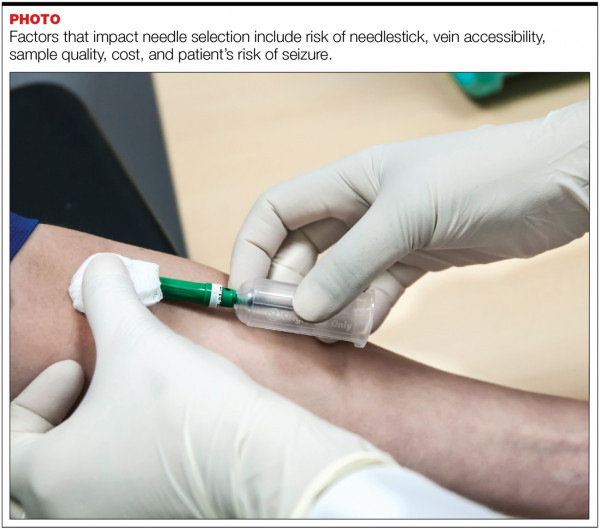
Proper Needle Selection for Blood Collection September 2019
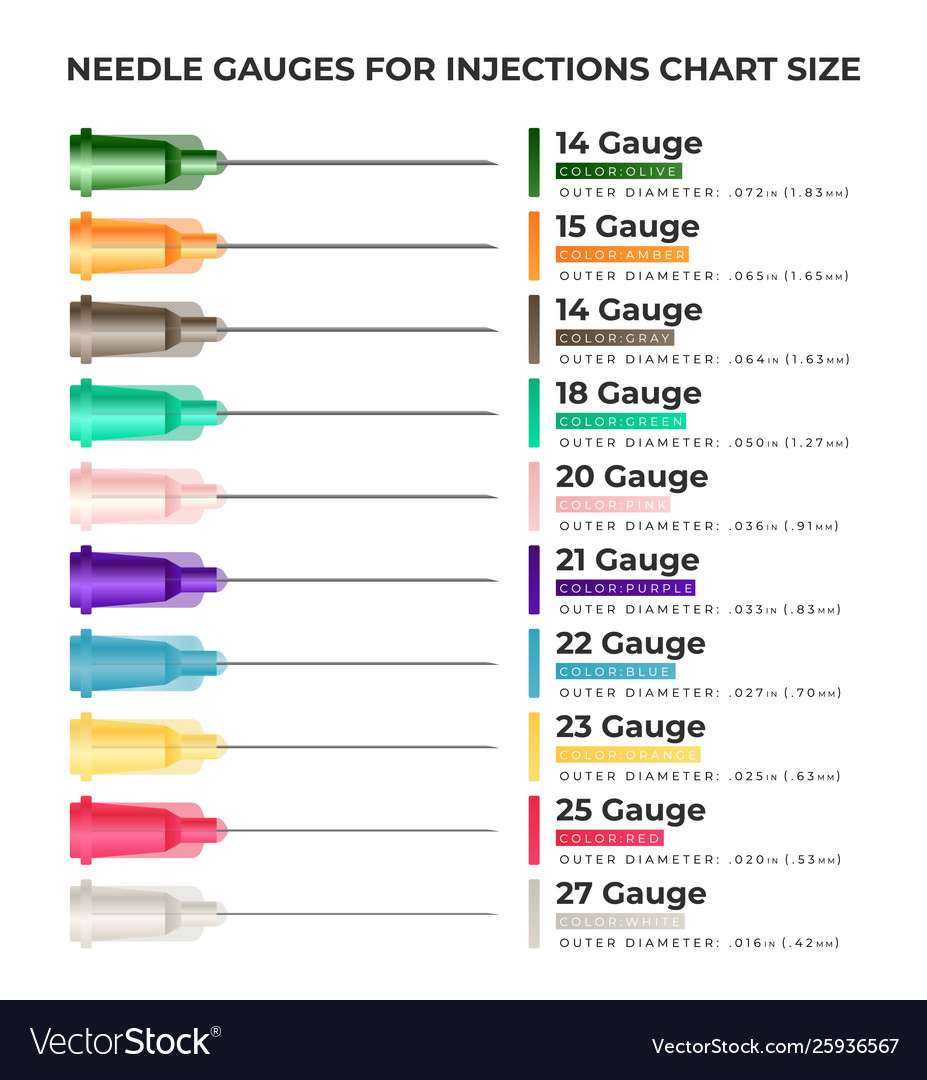
Needle gauges for injections chart size Royalty Free Vector

Pin on Being a Nurse

Best practices in phlebotomy WHO Guidelines on Drawing Blood

Needle Gauge Size Chart E Phlebotomy Training
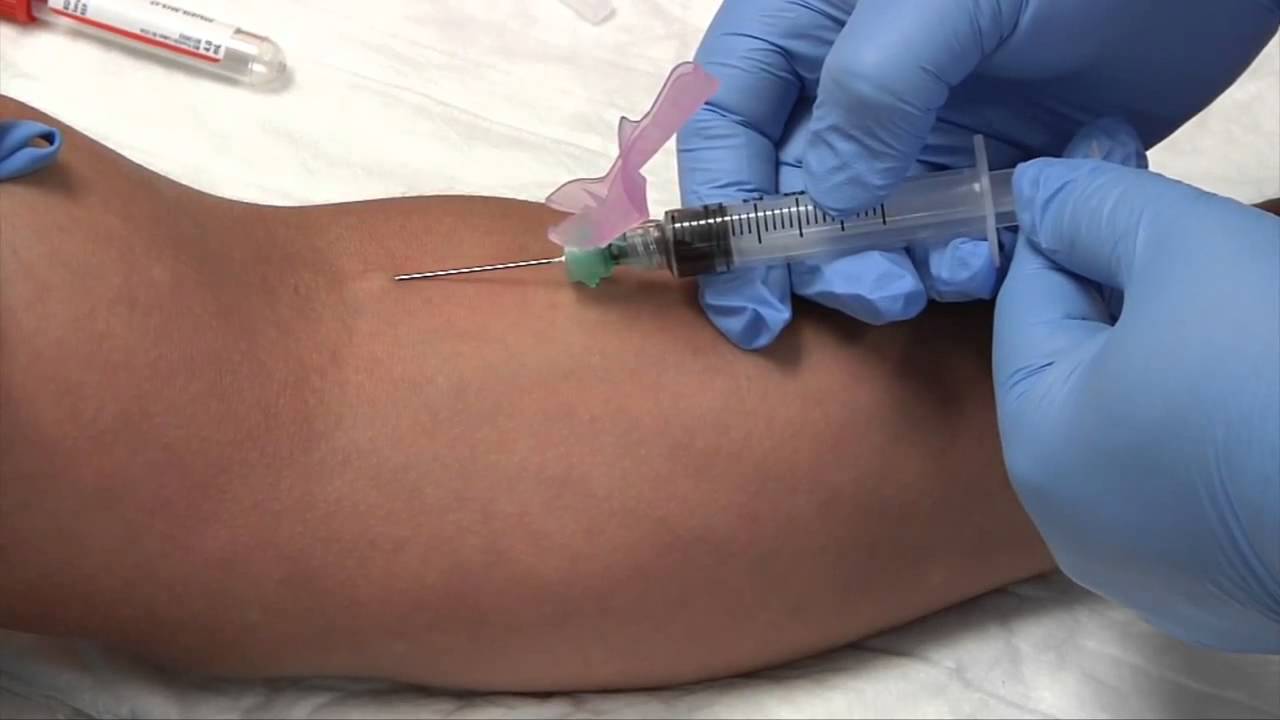
Phlebotomy Syringe Draw Procedure Blood Collection (RxTN) YouTube

Images Of Blood Draw Needle Size
The Butterfly Comes In Different Brands And The Unit Is Probably The Same Across Brands, However, The.
Small In Size, Or That Roll.
Here Are The Basic Steps To Drawing Blood:
Using The Wrong Needle Size Can Lead To Complications Such As Hematomas, Collapsed Veins, Or Inadequate Blood Samples.
Related Post: